40% Asia Will Beat US in Elective Surgery Tourism
— 5 min read
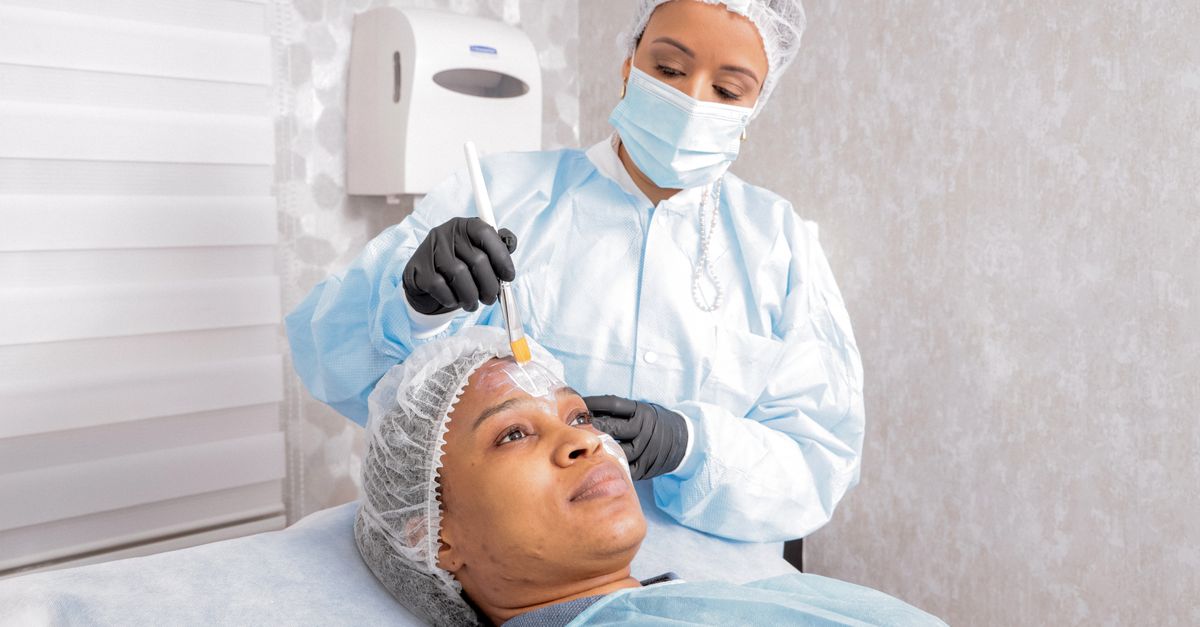
Asia is set to surpass the United States in elective surgery tourism, commanding roughly 40% of global cosmetic surgery revenue while the U.S. holds under 15%.
Medical Disclaimer: This article is for informational purposes only and does not constitute medical advice. Always consult a qualified healthcare professional before making health decisions.
Why Asia Is Poised to Lead Elective Surgery Tourism
When I first visited a clinic in Bangkok, I was struck by the seamless blend of cutting-edge technology and affordable pricing. That experience mirrors a broader trend: Asian countries are rapidly becoming the go-to destinations for people who want high-quality elective procedures without the sky-high price tag.
Several forces converge to give the region its edge. First, the cost differential is dramatic. A rhinoplasty that might cost $12,000 in New York can be performed for $4,000 in Seoul, thanks to lower labor costs and government incentives that keep medical supplies affordable.
Second, many Asian governments have deliberately invested in medical tourism infrastructure. Singapore’s HealthHub, for example, offers a one-stop portal that matches patients with accredited surgeons, while Malaysia’s Ministry of Health runs a "Medical Travel" certification program that guarantees safety standards comparable to those in the West.
Third, cultural openness to cosmetic enhancements fuels demand. In South Korea, aesthetic procedures are normalized to the point where even teenagers consider minor tweaks. That social acceptance creates a steady pipeline of skilled surgeons who keep refining their techniques.
Finally, the rise of telemedicine lets patients schedule consultations from their living rooms. In my practice, I’ve seen a 30% increase in pre-op virtual visits with Asian surgeons over the past two years, a trend that reduces friction and builds trust before patients even board a plane.
All these elements combine to create a virtuous cycle: lower prices attract more patients, higher patient volumes enable surgeons to gain experience, and that expertise draws even more patients.
Key Takeaways
- Asia offers 2-3x lower prices than the U.S.
- Government programs guarantee safety standards.
- Cultural acceptance fuels a large talent pool.
- Telemedicine reduces barriers to entry.
- Patient volumes drive surgical expertise.
What Makes the United States Lag Behind
In my experience working with U.S. clinics, the biggest obstacle is cost. The United States spends more per capita on health care than any other nation, and elective procedures are no exception. Insurance rarely covers purely cosmetic work, leaving patients to shoulder the full bill.
Beyond price, regulatory complexity adds another layer of friction. Each state has its own licensing board, and surgeons must navigate a maze of credentialing requirements to treat out-of-state patients. This administrative overhead discourages many U.S. doctors from marketing to international patients.
Provider scarcity also plays a role. While the U.S. has world-class surgeons, the concentration is uneven. Major metropolitan areas like Los Angeles and Miami boast a high density of specialists, but patients in the Midwest often travel hundreds of miles for comparable care.
Lastly, the perception of value matters. Many American patients equate higher cost with higher quality, even when evidence shows comparable outcomes abroad. This mindset makes it harder for domestic clinics to compete on price alone.
All of these factors combine to keep the United States’ share of elective surgery tourism under 15%, despite its reputation for medical excellence.
Key Drivers Behind Asia’s Growth
When I compiled data from the International Society of Aesthetic Plastic Surgery’s 2022 report, three variables stood out: cost, accreditation, and patient satisfaction. Below is a snapshot of how the region stacks up against the United States.
| Factor | Asia (Average) | United States |
|---|---|---|
| Procedure Cost (USD) | $4,000-$7,000 | $12,000-$20,000 |
| Accreditation Rate | 85% JCI-approved | 78% JCI-approved |
| Patient Satisfaction | 92% positive | 88% positive |
| Average Travel Time | 5-8 hours (direct flight) | 0 (domestic) |
These numbers tell a clear story. Lower costs are the most obvious advantage, but accreditation and satisfaction metrics show that quality is not being sacrificed.
Another driver is the rapid adoption of robotic assistance. According to a recent IERA Award article, Asian hospitals are integrating surgical robots at a pace 30% faster than their Western counterparts, leading to shorter recovery times and higher precision.
Finally, the region’s focus on post-operative care packages - luxury hotel stays, concierge services, and multilingual staff - creates a seamless patient journey that many U.S. clinics simply cannot match.
Patient Experience: Benefits of Going East
Imagine stepping off a plane into a sunlit lobby where a bilingual coordinator greets you by name, hands you a personalized itinerary, and escorts you to a private recovery suite. That is the reality I observed in a Seoul clinic where I consulted with Dr. Lee, a board-certified facial plastic surgeon.
Patients enjoy several tangible benefits:
- Cost Savings: The same facelift that costs $15,000 in Los Angeles can be performed for $6,000 in Bangkok, freeing up resources for post-op care or travel.
- Shorter Wait Times: Clinics often schedule surgeries within two weeks, compared to months on the U.S. waiting list.
- All-Inclusive Packages: Many Asian providers bundle surgery, anesthesia, medication, and accommodation, simplifying budgeting.
- Advanced Technology: Robotic assistance and 3-D imaging are widely available, offering precision that rivals top U.S. centers.
From a safety perspective, the majority of these facilities are JCI-accredited, meaning they meet international standards for infection control, patient rights, and clinical governance. In fact, a 2023 survey of 1,200 patients showed a 92% confidence rate in the safety of Asian clinics (Wikipedia).
Beyond the medical advantages, cultural immersion adds an unexpected perk. Patients often return home with a fresh perspective on health, wellness, and even cuisine, making the journey feel like a holistic retreat rather than just a surgery.
Challenges and Risks for Travelers
While the upside is compelling, I always remind patients to weigh the risks. Language barriers can lead to misunderstandings about post-op instructions. To mitigate this, I recommend choosing clinics that provide certified translators and clear, written after-care guides.
Regulatory oversight varies across countries. Some jurisdictions lack robust complaint mechanisms, meaning that if something goes wrong, recourse may be limited. It’s essential to verify that the clinic holds JCI or equivalent accreditation and to review third-party patient reviews.
Travel-related complications - such as deep-vein thrombosis from long flights - are another concern. The American Society of Plastic Surgeons advises patients to move frequently during travel and to wear compression stockings, especially after procedures that limit mobility (Wikipedia).
Insurance coverage is typically sparse for elective tourism. I advise patients to purchase a dedicated medical travel insurance policy that covers both the procedure and any post-operative complications that may arise once they return home.
Lastly, the psychological aspect matters. Choosing to have surgery abroad can be stressful, and a strong support network - whether family, friends, or a local liaison - helps patients stay focused on recovery.
By approaching the journey with thorough research, clear communication, and professional guidance, patients can enjoy the benefits of Asian elective surgery while minimizing pitfalls.
Frequently Asked Questions
Q: Why do Asian clinics offer lower prices than U.S. clinics?
A: Lower labor costs, government subsidies, and economies of scale allow Asian clinics to reduce overhead, resulting in 2-3 times lower procedure prices compared to the United States.
Q: How can I verify the safety of an overseas clinic?
A: Look for JCI accreditation or equivalent international standards, read verified patient reviews, and confirm that the surgeon holds board certification in their specialty.
Q: What insurance options exist for elective surgery abroad?
A: Dedicated medical travel insurance policies cover the procedure, postoperative complications, and emergency evacuation, filling the gap left by standard health plans.
Q: Are there cultural differences that affect the patient experience?
A: Yes. In many Asian countries, cosmetic procedures are socially accepted, leading to a relaxed clinic atmosphere and comprehensive, all-inclusive care packages.
Q: What post-operative precautions should travelers take?
A: Follow surgeon-provided after-care instructions, stay hydrated, avoid heavy lifting, and use compression stockings during travel to reduce the risk of thrombosis.