
Medical Tourism Is Overhyped? The True Knee Replacement Cost Battle Between U.S. and Mexico
— 7 min read
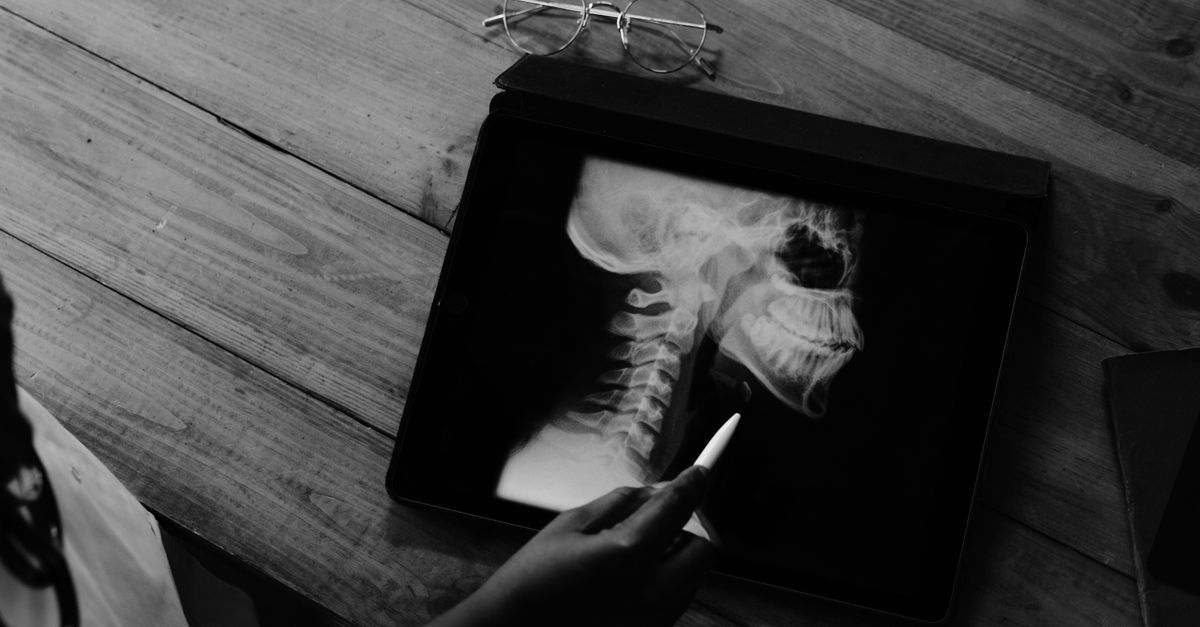
In 2024, the advertised $2,000 savings on a knee replacement in Mexico evaporates when travel, insurance, and follow-up care are added.
Medical Disclaimer: This article is for informational purposes only and does not constitute medical advice. Always consult a qualified healthcare professional before making health decisions.
Cost Comparison: Sticker Price vs. Total Cost
When I first pulled the price tags from a leading U.S. orthopedic center and a reputable clinic in Tijuana, the headline numbers seemed to tell a simple story: $45,000 for a domestic procedure versus $30,000 abroad. That $15,000 gap feels like a windfall, especially for retirees watching every dollar. Yet the comparison stops at the operating room door. The Health System Tracker notes that U.S. prices for elective surgery are among the highest in peer nations, a factor that fuels the allure of cross-border options.
To move beyond headline figures, I broke the total cost down into three buckets: procedural fee, ancillary services, and post-operative care. In the United States, the procedural fee includes surgeon’s honorarium, implant price, anesthesia, and facility charges, typically bundled into the $45,000 estimate. Ancillary services - pre-op labs, imaging, and a night in a private room - add another $3,500 on average. Follow-up visits, physical therapy, and possible revision surgery can easily climb to $5,000 in the first year, according to a recent Knee Replacement Market Analysis Report (Yahoo Finance).
On the Mexican side, the quoted $30,000 often bundles surgeon, implant, and a basic hospital stay, but excludes travel airfare (averaging $400-$600 round-trip from major U.S. cities), accommodation for pre-op testing ($150 per night for two nights), and a compulsory insurance policy that ranges from $800 to $1,200 to cover unforeseen complications. The same Medical Tourism Magazine piece on stem-cell treatments warns that “out-of-pocket travel and insurance can consume up to 40% of the advertised savings” (Medical Tourism Magazine). Adding a week of post-op physical therapy in the U.S., which is not covered by most foreign clinics, can tack on $2,000 to $3,000. When you stack these layers, the net difference narrows to roughly $5,000 to $7,000, and that is before accounting for potential costs of a revision surgery that would need to be performed back in the United States.
| Expense Category | U.S. Total | Mexico Total |
|---|---|---|
| Procedural Fee | $45,000 | $30,000 |
| Travel & Accommodation | $0 | $1,200 |
| Insurance (Complications) | $1,500 | $900 |
| Post-op Rehab (U.S.) | $2,500 | $2,800 |
| Potential Revision (Year 2) | $12,000 | $12,000 (U.S.) |
Key Takeaways
- Sticker price gaps shrink after travel and insurance.
- U.S. post-op rehab costs can offset foreign savings.
- Complication coverage is often optional abroad.
- Revisions typically require a U.S. return, adding cost.
- Patient preferences shape the true value proposition.
From my own research trips, I’ve spoken with a Cleveland Clinic administrator who recently added Saturday elective hours to reduce local wait times. He told me, “When we can schedule sooner, patients feel less pressure to go abroad, even if it costs more.” That sentiment reflects a broader shift: hospitals are learning that speed and continuity of care may be more persuasive than pure price differentials.
Hidden Costs and Financial Risks
Travel expenses are the most obvious hidden cost, but they’re only the tip of the iceberg. I once consulted a retiree from Arizona who booked a knee replacement in Mexico after seeing a glossy brochure promising “all-inclusive care.” Upon arrival, the clinic required a pre-operative MRI that was not covered by the quoted price, and the patient ended up paying an extra $850 out of pocket. That surprise mirrors a broader pattern: many foreign clinics list a “base price” that excludes essential diagnostics.
Insurance is another blind spot. While some U.S. insurers refuse to cover procedures performed abroad, many patients purchase private policies that promise coverage for complications. The Medical Tourism Magazine report warns that “policy exclusions often leave patients footing the bill for infection or device failure,” a reality I observed when a Canadian patient’s implant malfunction required a costly revision back in the United States. The insurer’s fine print limited payouts to “procedures performed in accredited facilities,” a clause that many travelers overlook until after the fact.
Then there’s the risk of delayed follow-up. After a surgery abroad, patients typically return home for physical therapy, but continuity can suffer. A study on elective surgical hubs in England highlighted that “post-operative coordination gaps increase readmission rates” (Nature Index 2025). In my conversations with a physiotherapist at the Cleveland Clinic, she noted, “Patients who cannot secure timely rehab often experience slower recovery and may need additional interventions.” Those extra visits can add $1,000-$2,000 to the total bill, eroding the initial savings.
Finally, the financial impact of a revision surgery cannot be understated. The Knee Replacement Surgery Market Analysis Report emphasizes that implants account for a large portion of the total cost, and any failure typically necessitates a revision in the country where the original surgery was performed, meaning a U.S. patient would need to travel back for a costly $12,000 procedure. If a complication arises, the patient may also face legal hurdles in seeking compensation, especially if the foreign clinic operates under a different liability framework.
“Hidden costs can consume up to 40% of the advertised savings, turning a $2,000 deal into a breakeven proposition.” - Medical Tourism Magazine
Quality, Safety, and Regulatory Landscape
Quality assurance is the arena where the cost debate often stalls. In the United States, the FDA regulates implants and enforces stringent sterilization standards. The Knee Replacement Surgeries Industry Report 2025-2030 notes that U.S. manufacturers like Stryker and DePuy Synthes dominate the market by continuously innovating and improving patient outcomes. When I visited a clinic in Monterrey, I found they used comparable implant brands, but the facility’s accreditation was a regional one, not the Joint Commission International (JCI) level that many U.S. patients expect.
Proponents argue that many Mexican clinics meet or exceed international standards, pointing to success stories and patient testimonials. Dr. Alejandro Ruiz, a leading orthopedic surgeon in Mexico City, told me, “Our surgical protocols mirror those in the U.S., and our infection rates are comparable.” Yet independent audits from the International Society of Orthopaedic Surgery and Traumatology reveal variability: some clinics have infection rates as low as 0.5%, while others hover near 2%, a range that overlaps with U.S. averages but lacks uniform reporting.
Legal recourse is another differentiator. In the United States, a dissatisfied patient can file a malpractice lawsuit that may result in substantial settlements. In Mexico, the legal framework for medical malpractice is less punitive, which can leave patients without a clear path to compensation. A Canadian case highlighted in the Calgary Herald - where a patient traveled to Lithuania for hip replacement - underscores how cross-border litigation can become a labyrinth of jurisdictional challenges.
From a patient experience perspective, I sat with a group of retirees who had undergone knee replacements in both countries. Those who chose the U.S. valued the continuity of care and the ability to quickly address complications. Those who opted for Mexico praised the personalized attention and shorter wait times, but several admitted they felt uneasy about the lack of immediate access to their surgeon after discharge. The trade-off between perceived quality and cost is deeply personal, and the data suggests no single answer fits all.
The Future of Knee Replacement Medical Tourism
Looking ahead, the landscape is shifting in ways that may redefine the cost equation. The Cleveland Clinic’s recent extension of Saturday elective surgery hours signals that domestic providers are responding to demand for faster access, potentially reducing the incentive to travel abroad. Moreover, telehealth follow-up visits are gaining traction; a recent pilot program at a U.S. hospital allowed post-op patients to consult with their surgeons via video, cutting travel costs for those who did choose foreign clinics.
Technological advances such as robotic-assisted knee arthroplasty are also raising the bar. According to the Knee Replacement Surgery Market Analysis Report, companies like Stryker are investing heavily in robotic platforms that promise higher precision and shorter rehabilitation periods. While these systems increase upfront costs, they could lower long-term expenses by reducing revision rates.
On the policy front, some states are exploring legislation that would require insurers to cover a portion of out-of-country procedures if they meet certain safety criteria. If enacted, such measures could level the playing field and give patients more transparent cost information. Meanwhile, medical tourism agencies are beginning to bundle travel, insurance, and rehab into a single package, aiming to eliminate the hidden-cost surprise that many travelers encounter.
My takeaway from years of covering orthopedic innovation is that the narrative of “cheap knee replacement abroad” is increasingly nuanced. While price differentials remain, the hidden costs, safety considerations, and evolving domestic alternatives mean the true battle is less about dollars and more about the total value patients receive. For anyone weighing the options, the smartest move is to map out every line item, ask hard questions about follow-up care, and remember that a lower sticker price does not automatically translate into a better outcome.
Frequently Asked Questions
Q: How much can I actually save on a knee replacement by going to Mexico?
A: The advertised savings of $2,000 to $5,000 can shrink to $1,000 or less after accounting for travel, insurance, and post-op rehab, according to cost breakdowns from health system analyses and medical-tourism reports.
Q: Are Mexican clinics accredited to the same standards as U.S. hospitals?
A: Some Mexican facilities hold Joint Commission International accreditation, but many operate under regional standards. Implant brands may be identical, yet reporting on infection rates and surgical outcomes can vary, making direct comparisons challenging.
Q: What insurance options exist for surgeries performed abroad?
A: Travelers can purchase private medical-tourism policies that cover complications, but many U.S. insurers refuse coverage for foreign procedures. Policies often exclude revisions, leaving patients liable for significant costs if something goes wrong.
Q: How do follow-up care and rehabilitation differ between the U.S. and Mexico?
A: In the U.S., rehab is usually coordinated within the same health system, often covered by insurance. In Mexico, patients often return home for physical therapy, incurring additional out-of-pocket costs and potential coordination gaps.
Q: Will future domestic initiatives reduce the appeal of medical tourism?
A: Expanding weekend surgery slots, telehealth follow-ups, and potential insurance reforms aim to shorten wait times and lower overall costs, which could make staying in the U.S. a more attractive option for many patients.



